
CO-RESPONDER READINESS
-
Building Safer, More Effective Responses to Behavioral Health Crises
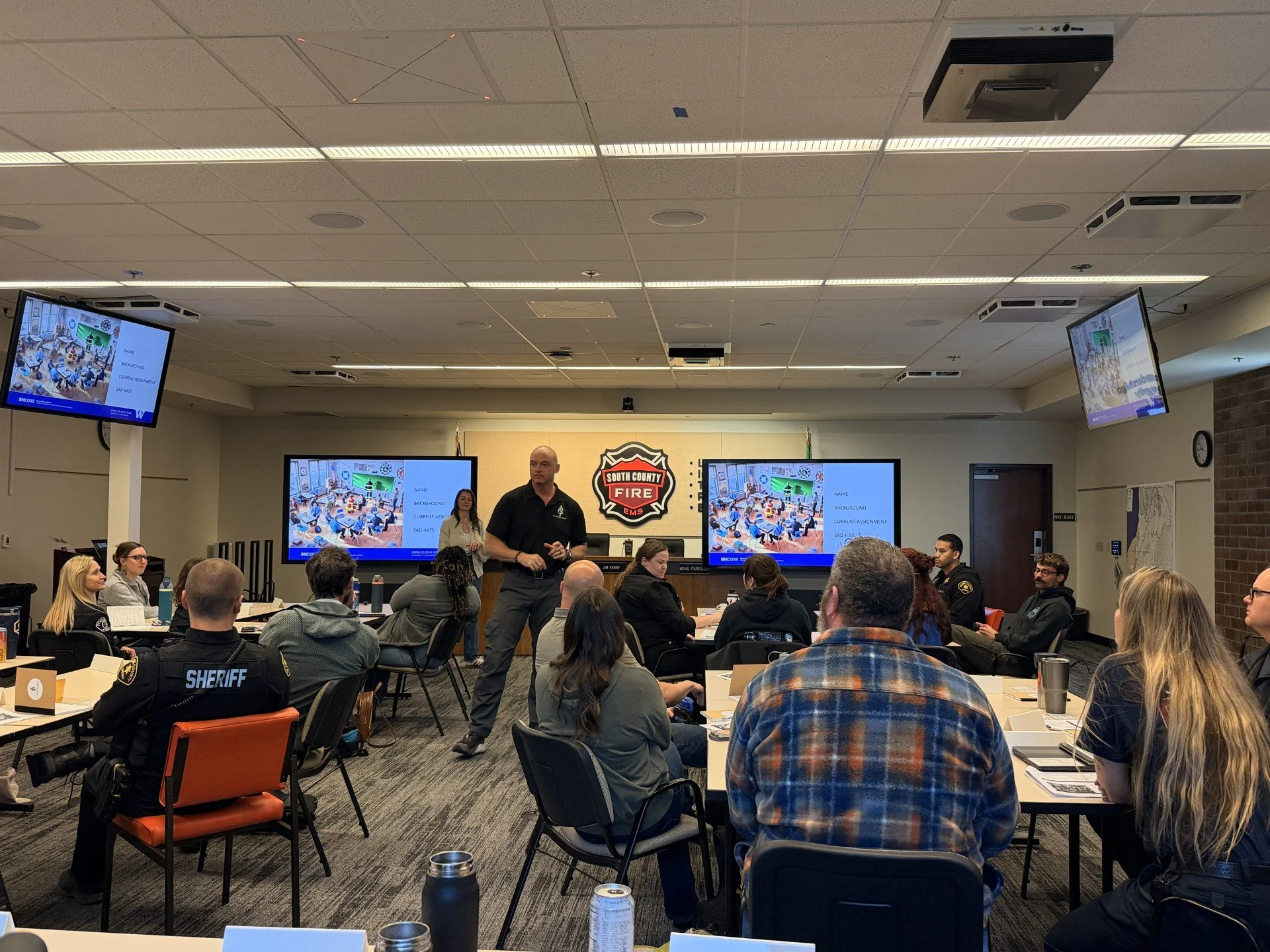
Today's co-responder teams operate at the intersection of public safety, behavioral health, and community trust. Success requires more than good intentions—it requires shared language, clear roles, practical skills, and the ability to make sound decisions under pressure.
The Co-Responder Readiness Program equips law enforcement officers, clinicians, case managers, peer support specialists, fire personnel, and crisis responders with the tools they need to work effectively as a unified team during high-stakes encounters.
Participants learn how to improve safety, strengthen communication, navigate complex behavioral health contacts, and build confidence through realistic scenario-based training.
Because better outcomes begin with better preparation.
-
Designed for the Entire Crisis Response Team
Whether you respond in uniform, carry a caseload, provide peer support, or supervise a program, this course provides practical skills that improve field performance and team effectiveness.
This training is ideal for:
Law Enforcement Officers
Co-Responder Teams
Mobile Crisis Teams
Behavioral Health Professionals
Peer Support Specialists
Fire and EMS Personnel
Case Managers
Program Supervisors
Crisis Outreach Teams
Community Response Teams
-
The Challenge
Behavioral health calls often involve uncertainty, heightened emotions, safety concerns, trauma, substance use, and rapidly changing circumstances.
Responders must simultaneously:
Assess safety risks
Build rapport
De-escalate conflict
Coordinate with partner agencies
Navigate legal authorities
Connect individuals to services
Without shared training and clear communication, even well-intentioned teams can struggle to work effectively together.
2 Day Course Summary
Co-Responder Readiness creates a common operating framework that allows responders from different disciplines to communicate clearly, make better decisions, and work toward the same goals.
Participants leave with practical tools they can immediately apply in the field including:
Emotional Intelligence Under Stress
Learn practical techniques to maintain composure, improve decision-making, and communicate effectively during emotionally charged situations.
Situational Awareness
Recognize developing threats, identify environmental hazards, and improve personal and team safety while maintaining a client-centered approach.
Tactical De-Escalation
Apply proven communication and behavioral influence techniques to reduce resistance, build rapport, and increase voluntary compliance.
Team Communication
Develop shared language and coordinated response strategies between law enforcement, clinicians, peer support personnel, and crisis workers.
Safety Planning
Understand how positioning, movement, environmental assessment, and pace influence outcomes during crisis contacts.
Applied Skills Practice
Practice skills in realistic context driven environments designed to replicate the challenges teams face in the field every day.
COURSE HIGHLIGHTS
Practical. Interactive. Reality-Based.
Unlike traditional lecture-only training, participants spend significant time applying concepts through guided exercises, team discussions, and realistic scenarios.
The course integrates:
Emotional Intelligence
Behavioral Influence
Crisis Communication
Situational Awareness
Personal Safety
Team Coordination
Decision-Making Under Stress
Participants are encouraged to make mistakes, receive feedback, and develop confidence in a supportive learning environment.
Meet the Instructors
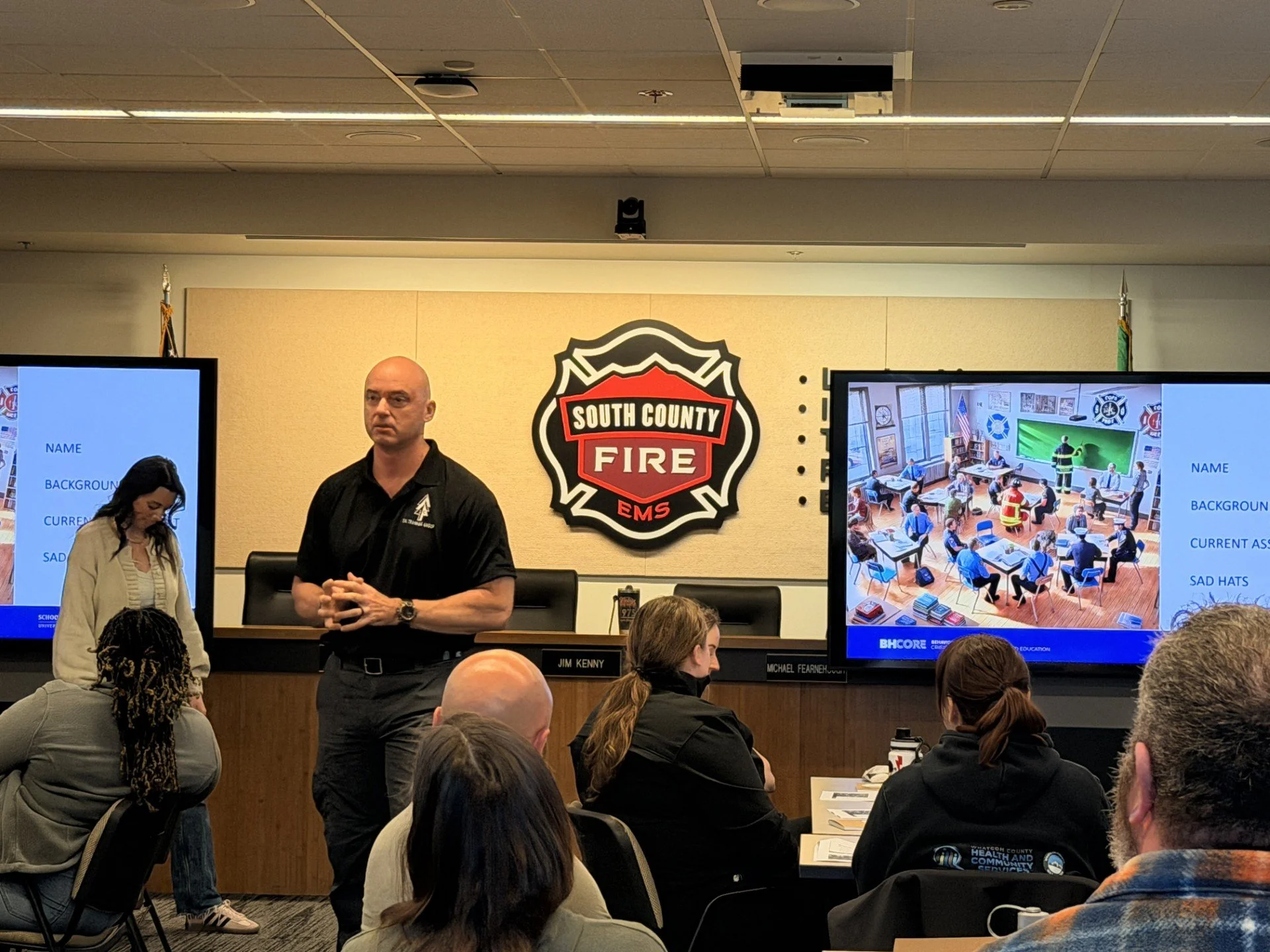
Taught by Professionals Who Have Done the Work
The Co-Responder Readiness Program is delivered by instructors with decades of combined experience in:
Law Enforcement
Fire Service
Crisis Intervention
Behavioral Health
Mental Health Counseling
Peer Support
Instructor Development
Leadership
Our instructors have worked the very situations we teach.
That real-world experience allows us to bridge the gap between public safety and behavioral health while creating training that is practical, relevant, and immediately useful.